

Are Peegasms Real Existence? The Truth Behind the Viral Trend
In recent years, the internet has become a breeding ground for open conversations about human anatomy, sexual health, and unusual bodily sensations. One term that has repeatedly surged across social media platforms like TikTok and Reddit is the “peegasm.” Users describe a euphoric, spine-tingling shiver that washes over them when they finally empty a very full bladder. Some even claim the sensation is powerful enough to mimic a sexual climax.
This viral discourse has left many people wondering: Are peegasms a real existence? Is there a scientific explanation for this intense relief, or is it merely an exaggerated internet myth? More importantly, is it safe to chase this feeling? To understand the reality behind the trend, we need to dive into the intricate biology of the human pelvic region, distinguish this sensation from legitimate medical conditions, and explore the hidden dangers of weaponizing your bathroom habits for pleasure.
Key Takeaways
- A "peegasm" is a real physiological response caused by sudden pelvic decompression and a dopamine rush, not a true sexual climax.
- It should not be confused with orgasmic incontinence, which is a treatable medical condition involving involuntary leakage during sex.
- Intentionally holding urine is highly dangerous and can lead to UTIs, bladder damage, and kidney problems.
- Prioritize urinary health by listening to your body's cues and using safe alternatives for internal pelvic pressure.
Table of Contents
What Is a Peegasm: the Definition
A "peegasm" is a colloquial term combining "pee" and "orgasm." It refers to the intense, shivering wave of pleasure and profound physical relief a person experiences when they urinate after holding it in for an extended period of time. While the internet coined the catchy name, the physical phenomenon itself is not new. Historically, this sensation has sometimes been referred to as "piss shivers" or post-micturition convulsion syndrome.
So, is it an actual orgasm? Medically speaking, no. A true orgasm involves a complex neurological and physiological sequence, culminating in rhythmic muscle contractions and the release of specific neurochemicals tied to sexual arousal. However, the anatomy of the human pelvis explains why a peegasm can feel surprisingly similar.
The Anatomy of Relief
The bladder is situated deep within the pelvic cavity, sharing extremely tight quarters with erogenous zones. In women, the bladder rests directly above the anterior vaginal wall, in close proximity to the clitoris and the urethral sponge. In men, the bladder is positioned just above the prostate gland, a highly sensitive organ often associated with sexual pleasure.
When you delay urination, your bladder expands like a balloon. As it inflates to its maximum capacity, it physically presses against these neighboring sexual organs and the sensitive nerve endings that surround them—specifically the pudendal nerve, which is the primary nerve responsible for transmitting orgasmic sensations to the brain.
When you finally release the urine, two things happen rapidly:
- Sudden Decompression: The immense physical pressure on the pelvic floor, clitoris, or prostate drops instantly.
- Neurological Rush: The parasympathetic nervous system, which controls relaxation, kicks into overdrive. The brain releases a flood of dopamine to reward the body for finally relieving a stressful physical state.
This combination of sudden physical decompression and a dopamine rush triggers a highly concentrated tingling sensation. While it is not a sexual climax, the shared nerve pathways make the neurological "sigh of relief" feel deeply euphoric.
Orgasmic Incontinence
When discussing the intersection of urination and sexual pleasure, it is crucial to separate the "peegasm" trend from a recognized medical condition known as orgasmic incontinence. Because the two concepts sound similar, they are frequently confused, but they describe entirely opposite experiences.
A peegasm involves feeling pleasure because you are peeing. Orgasmic incontinence, on the other hand, involves unintentionally leaking urine while experiencing a sexual orgasm.
Understanding the Condition
Orgasmic incontinence is a subcategory of coital incontinence (urinary leakage during sexual activity). For individuals who experience this, the intense muscle spasms and pelvic pressure that occur during a sexual climax inadvertently force urine out of the bladder.
This happens for a variety of medical reasons:
- Pelvic Floor Dysfunction: The pelvic floor muscles are responsible for keeping the urethra closed. If these muscles are weakened—due to childbirth, aging, or genetics—they may fail to hold back urine during the powerful muscular contractions of an orgasm.
- Detrusor Overactivity: Sometimes, the bladder muscle (the detrusor) spasms inappropriately in response to sexual stimulation, causing an involuntary release.
- Urinary Tract Infections (UTIs): An underlying infection can irritate the bladder lining, making it highly reactive and difficult to control during physical exertion.
Why the Distinction Matters
While peegasms are touted as a fun, voluntary trend, orgasmic incontinence can be a source of deep emotional distress, embarrassment, and anxiety for those who experience it. It can lead to a decrease in libido and an avoidance of intimacy. Furthermore, people often confuse orgasmic incontinence with "squirting" (female ejaculation). However, female ejaculate is primarily secreted from the Skene’s glands and differs chemically from urine, whereas orgasmic incontinence is the actual release of bladder contents.
Common Mistakes of Peegasms
Once the peegasm trend went viral, a dangerous habit emerged: people began intentionally holding their urine for hours just to experience the euphoric release. While an accidental peegasm after a long road trip is harmless, actively engineering the experience is fraught with serious medical risks.
The urinary system is designed to efficiently eliminate waste from the body. Treating it like a makeshift sex toy disrupts this delicate biological process. Here are the most common and dangerous mistakes associated with the trend.
- 1. Treating the Bladder Like a Muscle to be Stretched: Many believe that holding in pee "trains" the bladder to hold more. In reality, the bladder is composed of stretchable tissue. Regularly forcing it past its natural capacity causes the tissue to lose its elasticity over time. Think of a rubber band that has been pulled too tight for too long; eventually, it loses its snap. This condition, known as urinary retention, can make it difficult to fully empty your bladder in the future, leading to chronic discomfort.
- 2. Inviting Bacterial Infections: Urine carries metabolic waste and toxins out of the body. When you hold your urine intentionally, you are allowing that waste to sit stagnant in a dark, warm environment. This creates the perfect breeding ground for bacteria to multiply. Habitually delaying bathroom trips dramatically increases your risk of developing a Urinary Tract Infection (UTI). If left untreated, a UTI can travel up the ureters into the kidneys, resulting in a severe, potentially life-threatening kidney infection.
- 3. Exhausting the Pelvic Floor: Holding back a full bladder requires your pelvic floor muscles and urinary sphincter to remain tightly clenched for prolonged periods. Over time, this constant clenching exhausts the muscles. Paradoxically, trying to induce a peegasm can ultimately weaken the very muscles required for bladder control, leading to stress incontinence—meaning you might start leaking urine when you laugh, sneeze, or jump.
- 4. Risking Kidney Damage: In extreme cases, ignoring the urge to urinate creates a severe backflow of pressure. If the bladder is completely full, the pressure can force urine backward up into the kidneys. This condition, known as hydronephrosis, can cause permanent kidney damage or chronic kidney disease.
How to Protect Your Body While Peegasming
The consensus from urologists and pelvic health experts is unanimous: you should never intentionally hold your urine for the sake of sexual gratification. However, if you are fascinated by the sensation and want to maintain a healthy urinary tract, there are safe ways to protect your body while exploring your anatomy.
Listen to Your Body's Natural Cues
The golden rule of urinary health is simple: when you have to go, go. The average adult should empty their bladder every three to four hours. If you happen to experience a deeply pleasurable sensation after being naturally forced to hold it—such as during a long meeting or a movie—enjoy the harmless rush of dopamine. The key is that the restriction should be circumstantial, never intentional.
Strengthen Your Pelvic Floor Properly
If you want to experience stronger, more intense sensations in your pelvic region, you do not need to rely on a full bladder. Instead, focus on actively strengthening your pelvic floor through targeted exercises like Kegels. A strong pelvic floor naturally enhances genuine sexual orgasms, improves blood flow to the erogenous zones, and prevents incontinence. If you aren't sure how to engage these muscles correctly, a pelvic floor physical therapist can guide you.
Explore Safe Alternatives for Pelvic Pressure
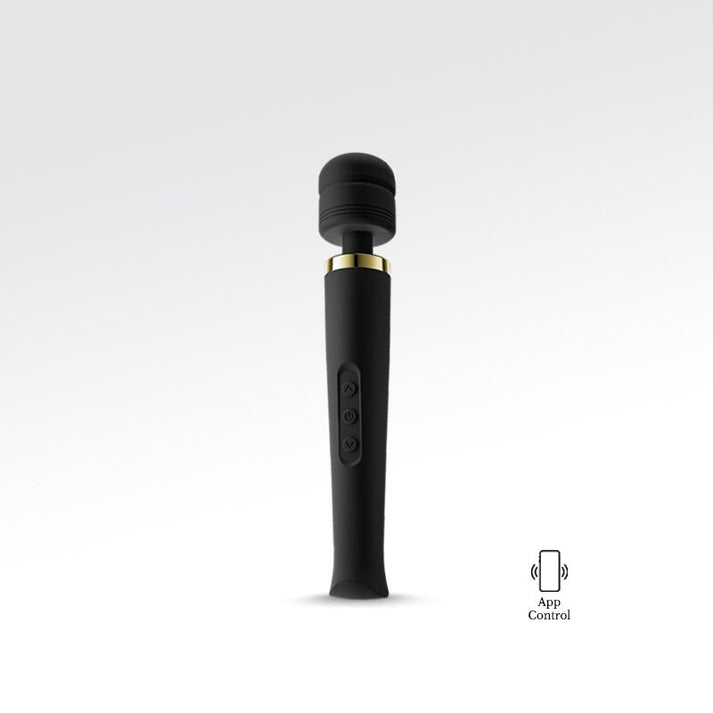
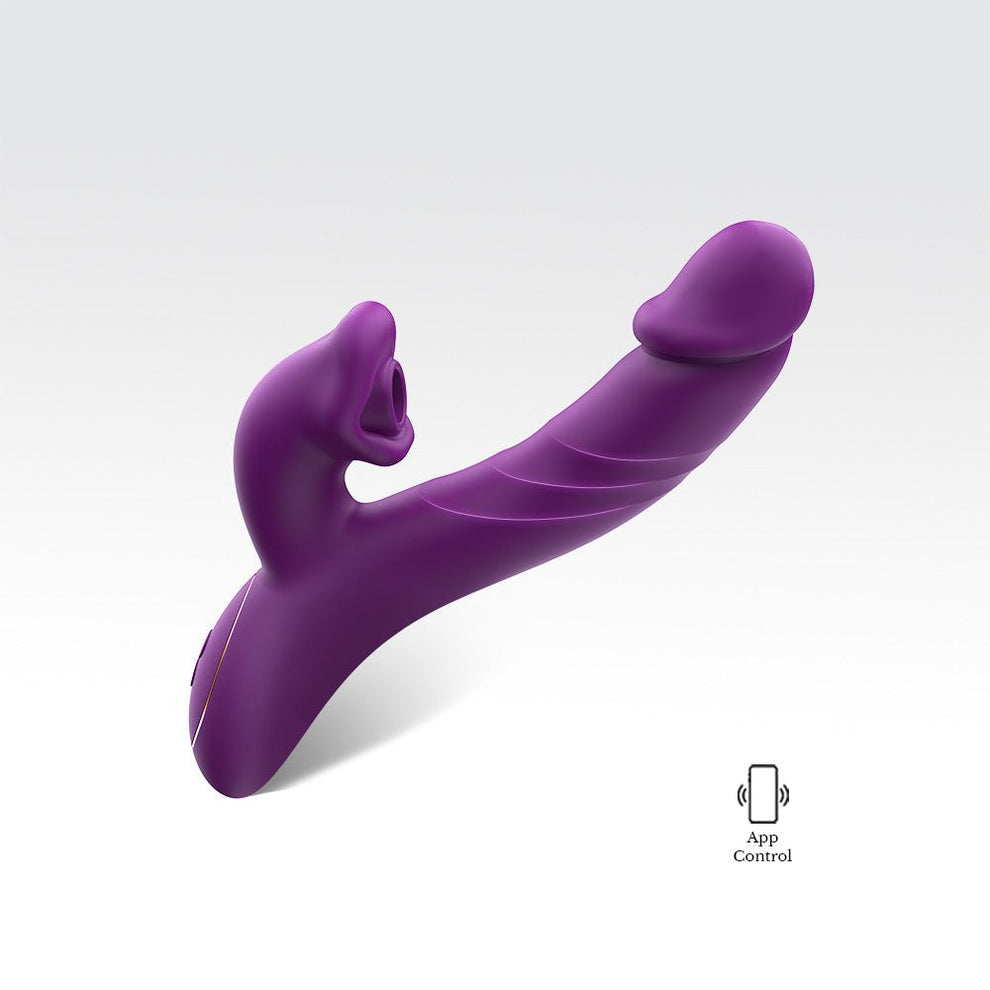
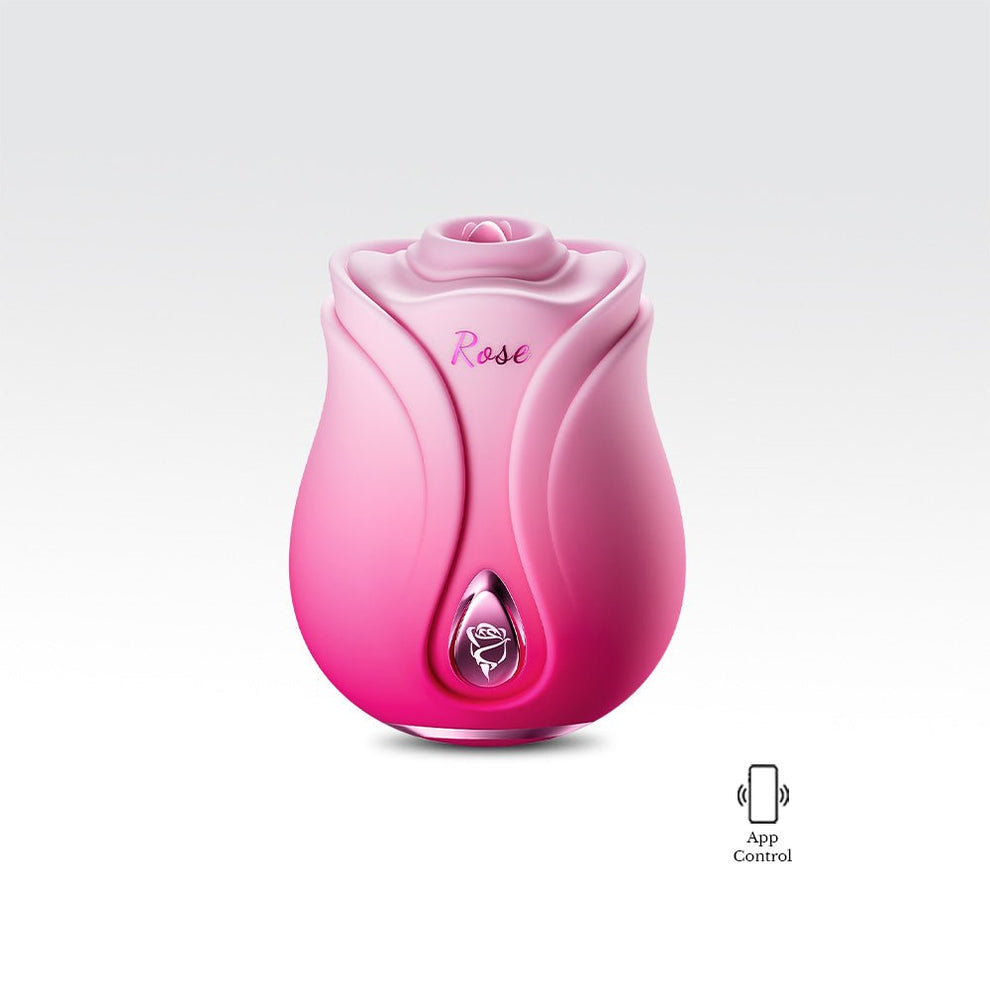
If the feeling of internal fullness is what drives the appeal of a peegasm, there are completely safe, hygienic ways to replicate that sensation without involving your urinary tract. The adult toy industry offers a variety of internal tools designed to gently stimulate the anterior vaginal wall, the G-spot, or the prostate. Using these items allows you to explore the exact same nerve clusters that a full bladder presses against, but in a controlled environment that does not put your kidneys or bladder at risk.
Stay Hydrated to Flush the System
If you have experimented with holding your urine in the past, protect your urinary tract by drinking plenty of water. Proper hydration dilutes your urine, making it less irritating to the bladder lining, and ensures that bacteria is regularly flushed out of your system.
In conclusion, the peegasm is undeniably a real physiological response to pressure and release, but it is not a trend worth risking your health over. Your urinary system performs a vital, unglamorous job to keep you healthy. By treating it with respect, prioritizing regular bathroom habits, and exploring pleasure safely, you can protect your body from long-term damage while still enjoying a vibrant, healthy sex life.


